
Georgia Municipal Court Warrants Explained
A municipal warrant in Georgia grows out of a city case. Municipal courts handle traffic tickets, local ordinance violations, and some misdemeanor or preliminary matters. Skip a court date and the judge may issue a bench warrant for your return, though not every missed appearance ends that way. The Georgia Courts FAQ states that a failure to appear can bring both a warrant and an arrest. A bench warrant pulls you back into court. It is not a new charge on its own. Every Georgia city court runs its own docket and records, separate from Magistrate, State, and Superior Courts. Contact the court printed on the citation even if the person lives elsewhere or the sheriff page comes up empty. The clerk can confirm whether the record stayed there or moved. Note: Georgia's court count measures courts, not a matching number of cities or public warrant databases.
Georgia Municipal Warrant Records Stay Local
The Administrative Office of the Courts' 2025 guide counts 370 Municipal Courts and 384 municipal judges across Georgia. Those are judicial-tier figures. They do not mean the state runs one shared warrant search or a single municipal-warrant desk. The same guide lists 159 Superior Courts, 72 State Courts, and 159 Magistrate Courts, each with its own duties and record routes. City clerks keep their own dockets, while police, a court marshal, or a sheriff may serve process by local assignment. The AOC guide maps the court tiers, not a warrant lookup. Under O.C.G.A. §17-4-40, a municipal officer with magistrate powers may issue arrest warrants in Georgia. That authority still leaves no statewide city-warrant list. The clerk holds the record. Start at the county layer, find the city government, then ask its clerk for the file and the next date.
Municipal and County Warrants Compared
A city warrant belongs to its municipal case in Georgia, while a county matter may begin in Magistrate or State Court or transfer to Superior Court. Under O.C.G.A. §17-4-44, a warrant may be executed across county lines. The issuing clerk still holds the court record. City police or a marshal typically serve municipal process, and a sheriff or other officer handles county warrants. Ask the court which unit is assigned. A traffic citation can also affect DDS status, so see Traffic Warrant Search.
| Feature | Municipal Court Warrant | County Warrant |
|---|---|---|
| Issuing Court | The municipal court named on the city citation or case | Magistrate, State, or Superior Court, depending on the matter |
| Typical Matter | City traffic, ordinance, and specified local proceedings | County criminal or trial-court proceedings within that court’s jurisdiction |
| Record Custodian | Municipal Court Clerk; ask if a case moved | Clerk of the court holding the current case file |
| Service Route | City police, marshal, sheriff, or assigned unit by local practice | Sheriff or other assigned law-enforcement officer |
| Public Search | City access varies; no statewide all-city warrant search | County and court access varies; no public statewide warrant index |
Georgia Municipal Warrant Search Controls
Georgia cities run their own warrant lookups. Atlanta's Find My Case lets you search by name, case number, citation, vehicle tag, warrant, or driver license, with account controls on top. It stays local. The Atlanta Municipal Court search page answers for that one court only. Elsewhere in Georgia, your citation points to the right municipal court and its own portal. The official form displays the available search fields.
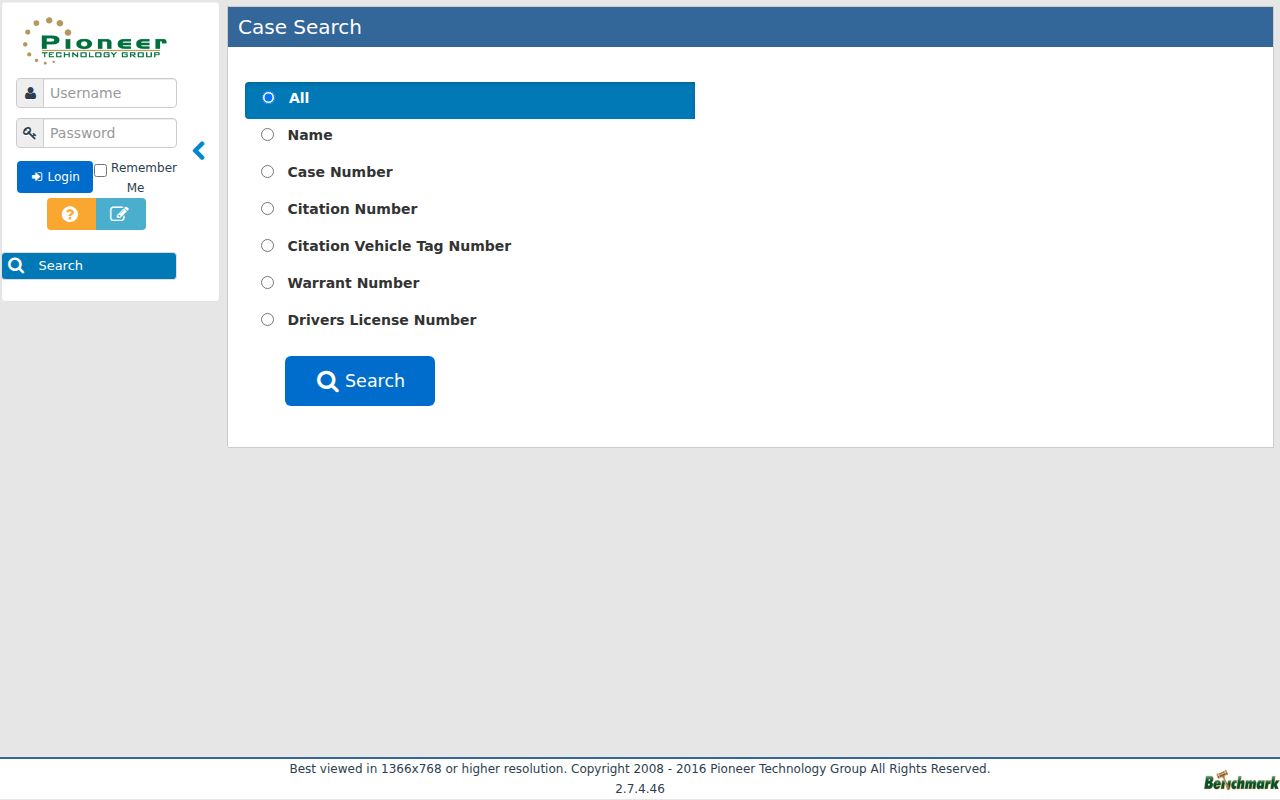
This Atlanta example does not establish another Georgia city court's search rules.
Checking a Georgia Municipal Warrant
A Georgia municipal warrant check starts with the city and court named on the papers. No public directory searches every city warrant. A sheriff page may omit municipal cases, and some courts run no portal at all. Use the County Directory to find the city and its clerk.
- Read the citation, summons, or notice and write down the city, court, case or citation number, and missed date.
- Check whether that city court offers a public case search, and use only the fields its own instructions support.
- Use the County Directory to reach the right city or county government contact and locate the issuing court.
- Ask the Municipal Court Clerk whether a failure-to-appear entry or warrant is on the docket and whether the case transferred.
- Ask which local agency handles service and bond only if the court directs you there; consider counsel before an in-person inquiry.
Have the full name, date of birth, and citation or case number ready so the clerk can tell similar names apart. A county sheriff speaks only for its own service records in Georgia. The municipal court confirms the city docket. Georgia.gov's sheriff guidance stays county-specific and does not replace a city court docket. For a relative's case, match the name, citation, and court before acting; a name match alone settles nothing. Note: The Georgia directory routes to a city court but does not combine municipal dockets from separate local jurisdictions.
Georgia Municipal FTA Reset Is Local
Atlanta Municipal Court handles its FTA reset form in person, never by phone. Some Traffic Violations Bureau cases qualify for payment. Not every offense does. These rules bind Atlanta alone. The court FAQ explains that a reset request does not itself remove a warrant; the issuing judge must clear it. Whatever Georgia city court holds your case, ask which form, payment, or motion applies there.
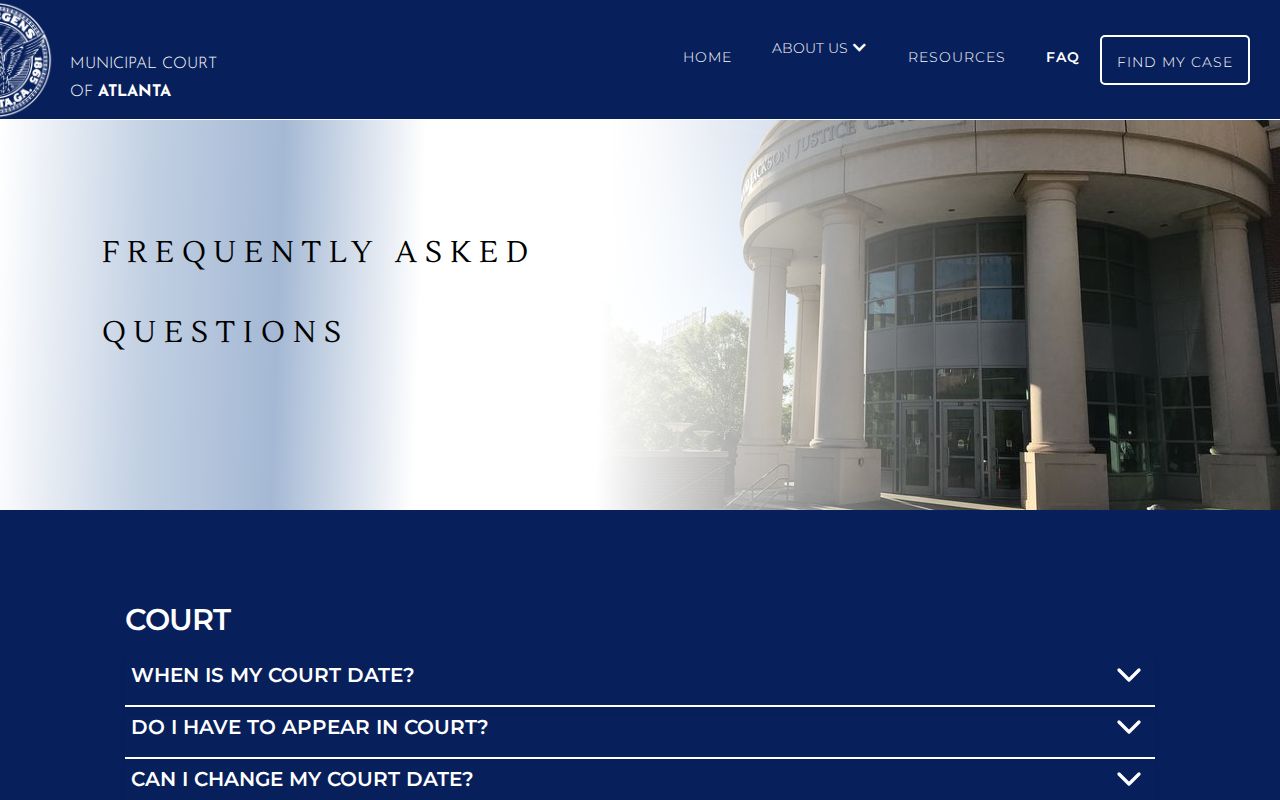
Every other Georgia city court sets its own reset and eligibility rules. On traffic matters, ask whether the clerk sent a court release through GECPS, then check the driver's DDS status separately.
Inside a Georgia Municipal Warrant
Georgia publishes no standard layout for a municipal warrant. A portal field may not show the full order, so match the person to the citation and have the clerk walk you through the docket. Treat these as questions to ask, not fields every city portal displays. No statewide number format, bond schedule, or status vocabulary is published.
| Warrant Number | Warrant Number is a local search key when the court assigns or displays one. Atlanta provides a warrant-number search mode; no statewide format is established. |
|---|---|
| Subject Name | Compare the name with the citation and case details. Ask the clerk if a common name or changed name makes the match uncertain. |
| Charge / Ordinance | Confirm the underlying city traffic, ordinance, or other municipal matter and the case disposition on the court record. |
| Issuing City Court | Identify the municipal court that entered the order. If the case moved, ask which clerk now holds the active docket. |
| Bond / Fine Amount | Ask whether the judge set bond and what court balance remains. The fine and bond are different amounts and case-specific. |
| Status | Ask whether the court records the warrant as active, served, recalled, or transferred; public screens may not show current service status. |
Use whatever fields appear to ask the right Georgia clerk, since an online result may lag the docket.
Georgia Municipal Warrants May Miss County Lists
A city case can slip past a county search. Georgia sheriffs post warrant lists, but a municipal court keeps its own docket, so a city matter may never appear on the county page. Some sheriff lists are selective. Georgia has no public statewide index either. So a name that is absent proves nothing about whether a municipal warrant exists. For record systems, the GBI's GCIC and the FBI's NCIC serve authorized law enforcement only. Georgia Courts' E-Access is a directory of participating providers rather than a single warrant screen. A city, meanwhile, may run its own portal or simply take clerk inquiries by phone. When a case is missing online, pull out the citation and call the court clerk it names. A blank sheriff, county, or state page does not mean the warrant was recalled. Note: Georgia court, sheriff, and agency entries may update separately; confirm the court order and assigned service record independently.
Georgia Municipal Warrant Recall Check
"Recall" means the issuing judge or Georgia court withdraws the warrant order. Asking for a new date is not the same thing. Nor does a sheriff's or police update decide the court case. The clerk can tell you what the docket shows and which judge or unit must act on a Georgia municipal warrant.
Quick answer: Ask the city court clerk whether the judge entered a recall, and request the docket entry or written confirmation. Then ask which service agency needs the update.
These terms help keep the municipal case clear:
- FTA
- Failure to appear for a required court date.
- Bench warrant
- A judge’s order connected to a missed appearance or other court obligation.
- Recall
- A court action withdrawing an existing warrant.
- Capias
- A term used in some legal settings; Georgia research did not identify one statewide municipal capias-for-fines rule.
- Bond
- A court-set sum or condition that may secure release or require return to court.
Georgia municipal courts do not share one uniform public vocabulary for every order. If a notice uses a different term, ask the issuing clerk what it means in that case.
How to Resolve a Georgia Municipal Warrant
The issuing city court controls recall, the next court date, and any payment or bond. Ask its clerk what the judge requires. Georgia has no statewide municipal reset or walk-in procedure. A request or a payment is not itself a recall.
- Confirm the municipal court, case number, warrant status, and next required date with the clerk.
- Ask what the judge allows for the case, such as an appearance, a reset request, a permitted payment, or a payment arrangement if available.
- Ask whether bond was set, where it may be posted, and whether posting it changes only release conditions or also the court date.
- Request confirmation that the judge recalled the warrant and ask when the court or assigned service agency will update its record.
If the Georgia court sets bond, confirm the type, amount, payment location, and any conditions with the court or the assigned agency. Posting bond may allow release or secure a return date. The municipal case itself continues.
Caution: A new court date or fine payment does not prove a warrant was recalled. Confirm the judge’s order with the issuing Municipal Court Clerk.
For a traffic suspension, ask whether the Georgia court sent its release through GECPS, then check the driver's DDS account. Keep the docket or recall order. A license update does not replace the court's action.