
Searching for a Warrant in Georgia
Georgia.gov points anyone checking a possible warrant to the sheriff of the county where it likely issued. The sheriff holds that county's information; the clerk of the issuing court holds the case record itself. Georgia's name checks do not run through GBI's Georgia Crime Information Center (GCIC) or the FBI's National Crime Information Center (NCIC), since both serve authorized justice agencies only. A local wanted page is just that agency's publication. The issuing court confirms the order, the next date, bond terms, and whether it has been recalled. Before you call, gather the full legal name, date of birth, and any county, city, citation, summons, case, or warrant number, because common-name matches are common. Georgia.gov notes that a direct sheriff inquiry is free, though each office sets its own phone or in-person process and ID rules. Be aware that walking in can lead to custody if an active warrant turns up, so counsel can help you plan the inquiry. The Georgia Courts Sheriffs Directory lists county offices, which is where this official page sends you to find each sheriff's posted method and, for a city or lower-court matter, the issuing court.
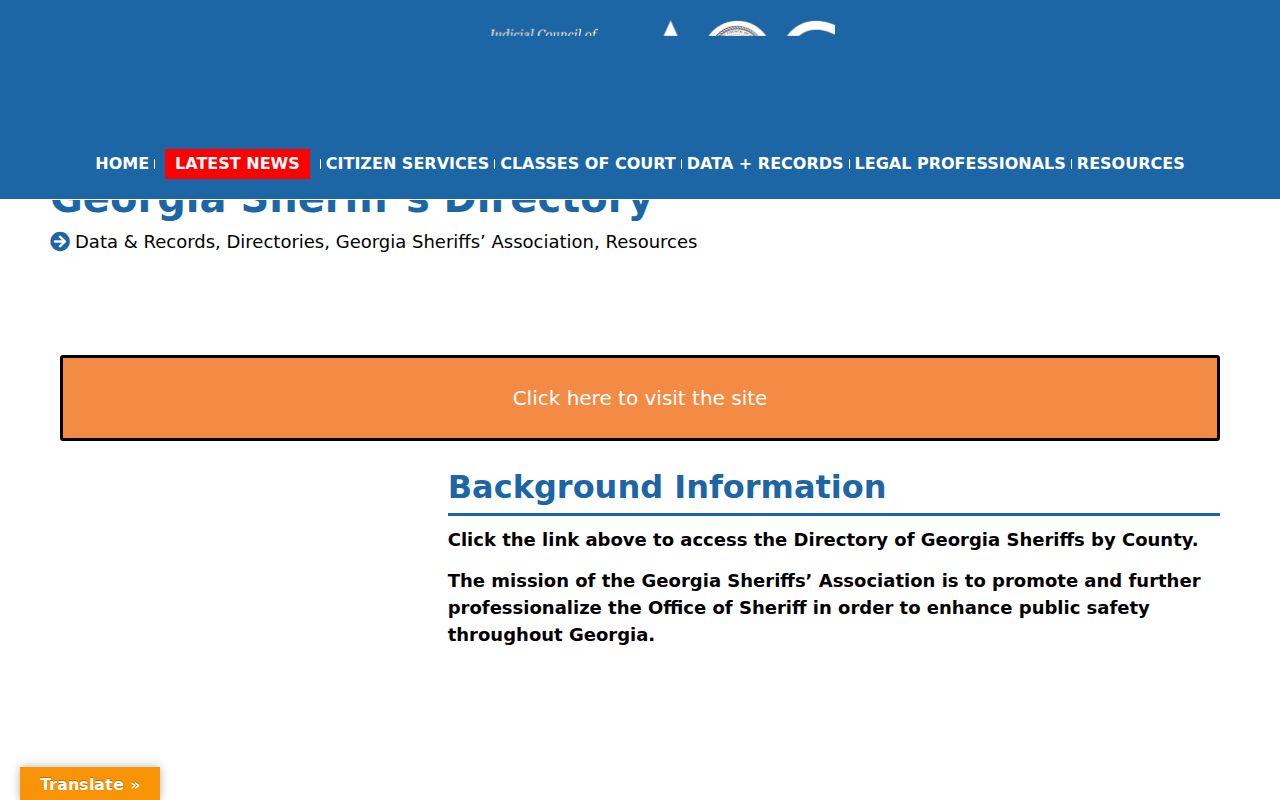
Treat the directory as a contact route, not a Georgia statewide warrant query. Pick the county tied to the case. Then follow the sheriff's posted method, and pin down the issuing court when a city or lower-court case is involved.
- Use case papers to identify the likely county and court; have the full name and date of birth ready.
- Ask the sheriff which phone, in-person, or online method it accepts.
- Treat a local-list result as a clue; a blank page does not rule out a warrant.
- For a missed date, contact the issuing Municipal, Magistrate, State, or Superior Court clerk.
- Request an existing copy from its custodian and confirm current status before acting.
Why Georgia Has No Statewide Warrant Search
Georgia publishes no statewide warrant form and no combined list of sheriff and court records. There is no county-coverage map, refresh schedule, or all-warrant count for any public index. Court-access sites are not a statewide warrant register, so a local search can never stand in for a Georgia-wide result. GBI does administer GCIC for approved agencies with access to criminal-justice information and NCIC, but the public cannot query wanted-person entries there. GBI fugitive pages describe selected programs and tips, not personal checks. For your own status, the sheriff and the court holding the local record are the ones to ask.
Note: Georgia publishes no public statewide warrant query, so a state-level blank screen cannot be used to clear a county or city court matter.
Warrant Search Fields Explained
Georgia has no shared statewide form. These are fields used by documented local channels, and they do not add up to statewide coverage.
| Field Label | Type | Required | Notes |
|---|---|---|---|
| First and last name | Identity | For sheriff inquiry | Georgia.gov says the sheriff needs both names for a county warrant inquiry. |
| Date of birth | Date / identity check | For sheriff inquiry | Helps separate people with similar names; it is not a statewide query field. |
| County or city | Jurisdiction | Needed to route | Choose the likely custodian by the court or place tied to the case; no statewide drop-down exists. |
| Warrant number | Local search mode | Portal dependent | Atlanta Municipal Court offers this mode and returns an associated case number; it is not a Georgia-wide search. |
| Case or citation number | Local search mode | Portal dependent | Some court services accept a case or citation number. Keep the number exactly as shown on the notice. |
| County sheriff list | Published page | Varies | Some lists have no query controls; the displayed roster and its fields are chosen by that office. |
Atlanta Municipal Court Find My Case lets Georgia users search by warrant, case, citation, name, vehicle tag, or driver's license.
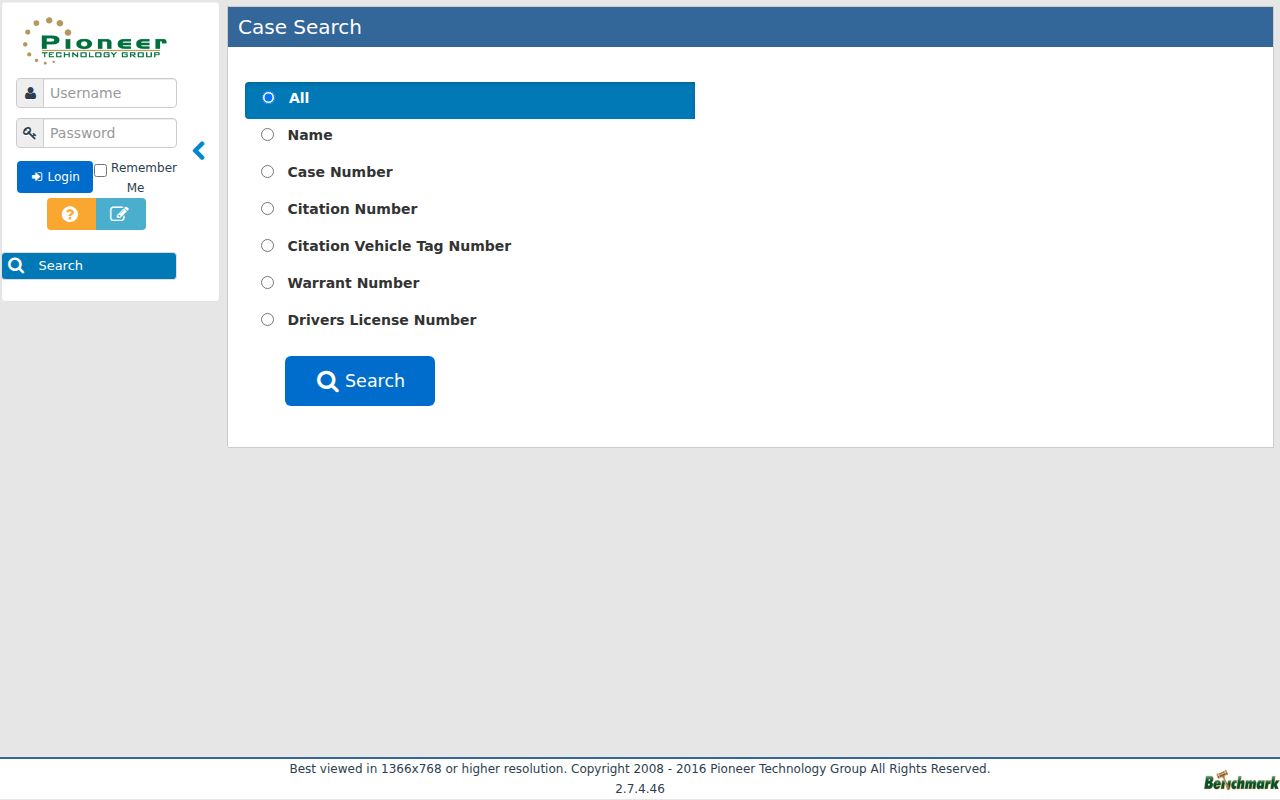
The page shows its controls only. Its local options do not establish statewide coverage. Not every required input or format is visible, so the controls should not be mistaken for statewide validation in Georgia.
Note: Atlanta's search fields can identify a local case, but they do not show statewide warrant coverage or the status held by other Georgia courts.
Georgia County Sheriff Searches Vary
How a Georgia sheriff handles warrant checks varies by county. One may post a wanted page, another answers by phone, and some require the named person to appear with identification. Rosters can be selective and may omit a city warrant or a court record held elsewhere, and only the court can recall or change its own order. Fulton County shows one local pattern: its sheriff requires an in-person request with photo ID and gives no status by phone. The office reports receiving more than 21,000 criminal warrants in an average year, a Fulton figure rather than a statewide count. Every other Georgia county sets its own method. The Fulton County Sheriff's warrant-unit page explains that county's status channel and what the unit handles.
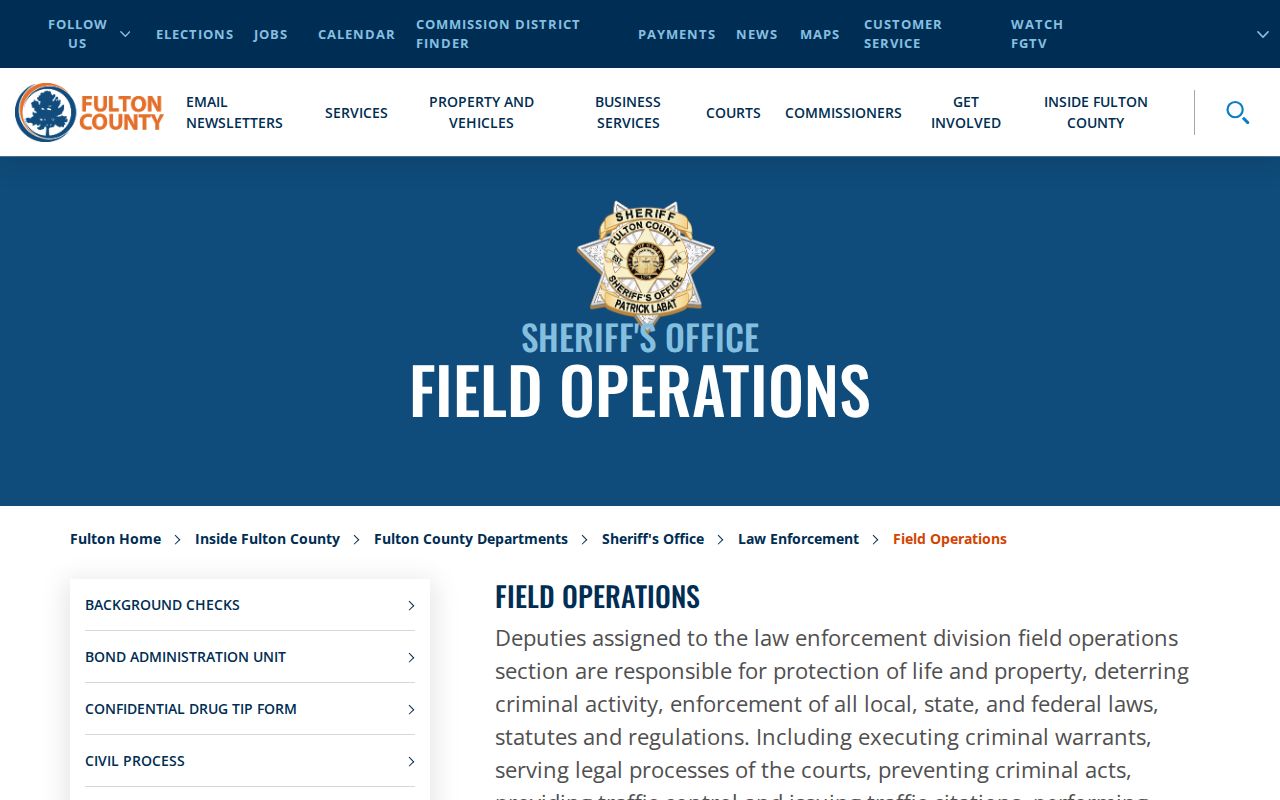
Use the County Directory and local court instructions for the jurisdiction involved.
What a Warrant Search Shows
Georgia publishes no common public warrant layout or number format. A local list may show only a few fields, and a court portal may omit the order or its current service status. Confirm each item with the clerk or sheriff who holds the record.
| Warrant number | No statewide format was verified. Copy the number from the actual court paper and ask the issuing clerk to confirm it. |
|---|---|
| Name and date of birth | A local page may show a name, alias, or DOB. Compare identifiers through the sheriff or court; do not treat a name alone as a match. |
| Issuing court | The local docket or clerk can identify the court that issued or now keeps the record after transfer. |
| Charge or reason | Local records may show an offense or failure-to-appear reason, but a public roster may omit both. |
| Bond and conditions | Terms depend on the current order and court decision. A blank field is not proof that no bond applies. |
| Status or return | “Active,” “served,” “recalled,” or “returned” may appear locally; Georgia has no common public status-code list. |
Never infer a number pattern or status code on your own. If a case transferred after an early proceeding, ask which Georgia court now holds the original order and the current docket.
A Georgia Search May Miss Warrant Status
Georgia Courts E-Access lists participating case-record providers rather than searching every court. A result may show a case without its warrant, and no result may just reflect provider coverage, a different name, or a separate local system. Georgia's Gavel platform is rolling out in stages for participating courts and handles filings, calendars, and payments, but it is not a complete public warrant register. Use online access for context, then ask the issuing clerk or sheriff about the order.
Note: When a local portal shows only a docket, Georgia's issuing clerk remains the source for whether the specific warrant is active today.
Where to Check Warrants in Georgia
Georgia splits warrant records across several court levels, so the first question is which one issued the order. Georgia's court overview maps the division. Superior Court handles general and felony trials. State Court takes misdemeanors and traffic. In Georgia, Magistrate Court hears warrant applications and preliminaries, while Municipal Court runs local traffic and ordinance dockets. Each court keeps its own clerk, and no county clerk holds every criminal file. The court that issued a warrant may not be the court that tries the case. A sheriff or other agency may hold service details while the issuing clerk holds the order itself. Start with the city court for a city ticket or a missed date. Case papers and the County Directory route a county matter to the right office. Georgia traffic failure-to-appear events move through secure GECPS reporting to DDS. DDS account services show license standing only. A license hold and an arrest warrant are separate records. The Georgia Courts' ticket route links participating courts and vendors, and no centralized citation database exists. A new ticket takes 7–21 business days to appear. A missed date calls for direct court contact, since vendor fields vary. Payment does not prove a warrant was recalled. Ask whether the judge acted and whether the court sent a release through GECPS; the court controls its order, and DDS controls reinstatement through a separate reporting path. PACER offers public federal docket material but not active-warrant status. Sealed matters may not appear at all.
Georgia Open Records Requests Seek Existing Files
Georgia's Open Records Act covers existing files, not new ones. Under the Georgia Open Records Act, O.C.G.A. §§50-18-70–78, request a nonexempt record from the agency or clerk that keeps it. Name the court, county, and date range. Include any known case or warrant number. The custodian need not create a statewide report or a live status query. Georgia sets a response clock. A custodian generally responds within three business days or provides timing, cost, and any withholding basis. Fees can apply. The first 15 minutes of search and retrieval are exempt from hourly charges, Governor guidance lists ten cents per page, and an estimate of $500 or more may require advance payment. The Governor's Open Records request page explains request routing, estimates, and the rule that an agency need not create a record.
Note: Georgia's Open Records Act reaches existing records held by the named custodian, subject to its exemptions and the receiving office's process.
Confirm a Georgia Warrant Before Acting
Georgia sources can disagree. Match the full name and date of birth. Then ask the sheriff or clerk to confirm the number, the issuing court, and the current status. A selected list or limited portal can explain it. Before traveling or arranging an appearance, ask what the order requires and whether counsel should contact the court first. Confirm the sheriff's process, since a Georgia court update, not a vanished web entry, confirms a recall.
Restricted Warrants and Access Rules
Access in Georgia turns on the custodian and any investigation, prosecution, sealing order, or juvenile restriction. Open-records exceptions can cover investigative or prosecution material, subject to statutory exceptions for some initial arrest or incident reports. No Georgia rule makes every unserved warrant confidential and every served one public. Juvenile files carry separate limits under O.C.G.A. §15-11-704(a). Ask the juvenile court or counsel about lawful access. Sealed records and protected identifiers may be withheld or redacted.
Key Rules:
GCIC and NCIC are restricted to authorized justice-system queries.
Juvenile, sealed, and investigation-linked records may have different access rules.
A blank local result does not establish that no warrant exists.